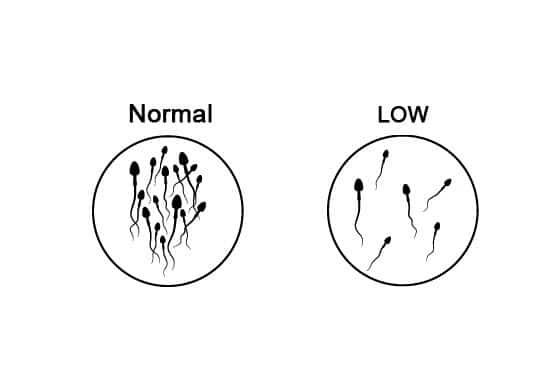
The results of the largest study to date analyzing connections between diet and testicular health were recently released. It found that men who ate a typical Western diet of processed foods high in sugar and fat produced significantly fewer sperm per ejaculation than those with a healthier, more balanced diet that included fruit, vegetables, nuts, grains, and other whole foods. The resulting lower sperm count can negatively affect a man’s fertility as well as his overall health.
While diet is not the only factor affecting sperm health and fertility, it is the easiest to correct and improve as compared with environmental factors such as air pollution and chemicals in food and water that can be harder to trace. By simply improving one’s diet, a man can boost his sperm count and quality. It can also improve testosterone levels, the hormone that builds muscle and bone mass and contributes to a higher sex drive in men.
The study further revealed that a Western diet is also a major contributor to the steady decline in sperm count and testosterone in males in North America, Europe, New Zealand, and Australia over the past four decades. And with more women and families using fertility clinics to start a family, this has led to shortage of donor sperm as well.
At Seattle Sperm Bank, we’re acutely aware of this shortage. That’s why we’re continually looking for healthy men between the ages of 18 and 39 to become donors. Passing our rigorous screening process isn’t easy — in fact, we only accept about 5% of all applicants — but it does offer exceptional benefits to donors while helping women conceive a child.
To learn more about sperm health, or to inquire about finding the right sperm donor for your needs, please contact us cs@seattlespermbank.com or call us at (206) 588-1484.
For decades, sperm donation in the United States has existed at the intersection of biology,…
Deciding to pursue donor conception can be filled with hope, relief, and excitement, but it…
Infertility has a way of quietly rearranging your expectations. Long before medical decisions are made,…
What We Know (and Why We Don't List Vaccine Status) Every so often, we hear…
If you've spent any time online lately, you've probably seen the headlines warning about plastics,…
When a Donor Has a Hidden Mutation: What the TP53 Case Means for Safe, Responsible…