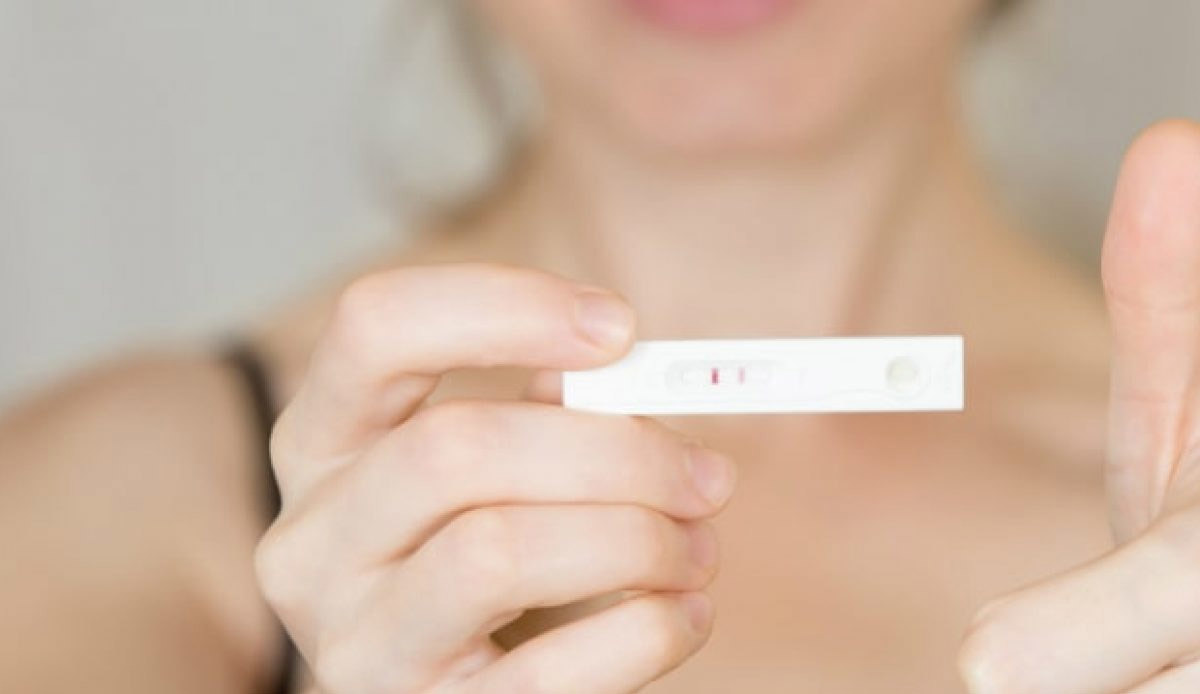
Our staff has received many questions about whether it’s safe to conceive a child during the COVID-19 pandemic, so we’ve consulted trustworthy sources to help answer some common questions. We’ll continue to inform you as conditions change and we learn more about this particular virus.
It’s true that not enough is yet known about COVID-19’s effects on pregnant women and infants. Still, according to the American College of Obstetricians and Gynecologists, current data indicates that pregnant women with no underlying health complications are not at greater risk.
It’s also important to note that no medical or scientific agencies have cautioned against conceiving at this time — and this includes artificial fertility reproduction techniques such as using donor sperm. That’s why home insemination may be a good choice for you during social distancing. After all, all semen specimens sold and used today were collected, processed, and frozen more than six months ago due to the required six-month quarantine period for all donor sperm.
In addition, the Centers for Disease Control and Prevention (CDC) reports that pregnant women seem to have the same health risks from COVID-19 as adults who are not pregnant. However, the CDC does report that:
While acknowledging the potential risks, especially for women with underlying respiratory issues, both the American Society for Reproductive Medicine (ASRM) and the Society for Assisted Reproductive Technology (SART) have issued statements emphasizing the following:
We know this is a difficult and uncertain time, so please let us know if we can answer other questions for you. SSB will continue to keep you updated as new information becomes available. If we can help in any way, please contact us at cs@seattlespermbank.com or (206) 588-1484.
For decades, sperm donation in the United States has existed at the intersection of biology,…
Deciding to pursue donor conception can be filled with hope, relief, and excitement, but it…
Infertility has a way of quietly rearranging your expectations. Long before medical decisions are made,…
What We Know (and Why We Don't List Vaccine Status) Every so often, we hear…
If you've spent any time online lately, you've probably seen the headlines warning about plastics,…
When a Donor Has a Hidden Mutation: What the TP53 Case Means for Safe, Responsible…