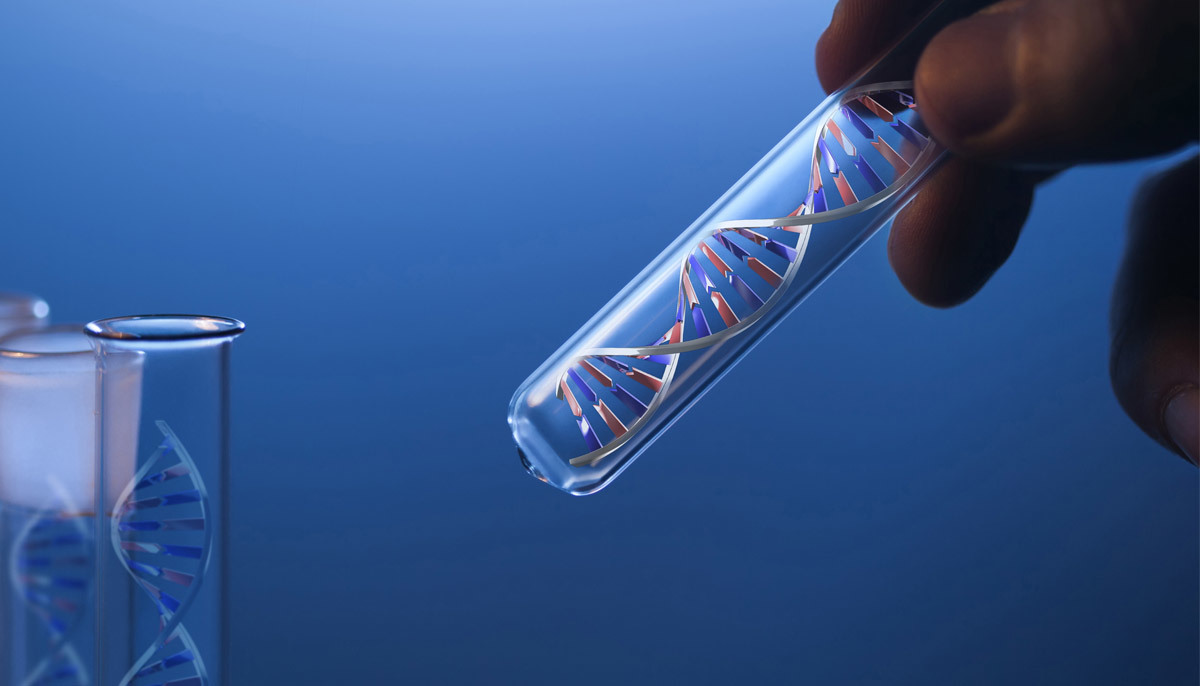
You may be looking for a sperm donor or an egg donor and notice that the donor has been tested for a panel of genetic conditions. You may also notice that a donor is a carrier of a specific genetic condition, and feel uncertain about what that means, or if you should be concerned. We get questions surrounding genetic carrier status daily, especially whether we think it’s medically necessary for our clients to have genetic testing done on themselves as part of their pre-conception journey.
We do recommend you consult with your physician, genetic counselor or healthcare professional about all your genetic testing options, but as a facility that facilitates extensive genetic testing both on our donors, and to our clients, we have some insight as to why a prospective parent may want to consider getting genetic testing done on themselves prior to starting fertility treatments.
While most genetic conditions are very rare, it is not uncommon to find out you’re a carrier of a genetic condition. Even if no one in your extended family has ever had or expressed symptoms of the genetic disorder you carry, the carrier status can be passed down from generation to generation. It can also skip generations or relatives.
With inherited genetics creating so many uncertainties about a future child’s health, it’s not surprising that medical professionals in the fertility, reproductive endocrinology, and obstetrics industries are relying more on genetic testing to provide the best possible care for patients and their future children.
In fact, genetic testing is becoming much more common for new patients and expectant mothers at fertility clinics and OB/GYN offices alike. At many fertility clinics, genetic testing is mandatory as part of the new patient intake process, and at others, it is strongly recommended. Even for newly pregnant women who conceived through intercourse, many OB/GYN offices strongly suggest genetic testing for one or both parents, as well as offer prenatal genetic testing to screen the developing fetus for certain genetic markers (spina bifida, Down’s syndrome, trisomy 18, etc).
It’s important to know that for most genetic conditions, both genetic parents would need to be a carrier of the same condition for a child to be at an increased risk of being born affected by (or having) the disorder. These are called autosomal recessive disorders. For this reason, many mothers-to-be looking at a donor who is a carrier may choose to get tested themselves, to eliminate the possibility of dual-carrier status.
However, there are also some genetic disorders that can occur even if the genetic parents do not have a gene mutation themselves, or only one genetic parent is a carrier. These are called autosomal dominant disorders. Thus, genetic testing can only eliminate uncertainty surrounding some, but not all, genetic disorders.
Still, genetic testing can provide vital health information that may factor into some of the big decisions you will make regarding your donor search, including what sperm bank or egg bank you decide to work with, and which donor you ultimately decide to use.
At Seattle Sperm Bank, we have always been at the forefront of screening donors for genetic disorders. Our licensed geneticist looks at test results for every donor to ensure they are not at an increased risk of passing along any inheritable diseases and accesses the risk factor of any genetic conditions they may carry. We are happy to answer your questions about genetics to the best of our ability, and if we can’t answer all of them, we will gladly refer you to a trusted medical professional in your area.
Contact cs@seattlespermbank.com or call us at (206) 588-1484.
For decades, sperm donation in the United States has existed at the intersection of biology,…
Deciding to pursue donor conception can be filled with hope, relief, and excitement, but it…
Infertility has a way of quietly rearranging your expectations. Long before medical decisions are made,…
What We Know (and Why We Don't List Vaccine Status) Every so often, we hear…
If you've spent any time online lately, you've probably seen the headlines warning about plastics,…
When a Donor Has a Hidden Mutation: What the TP53 Case Means for Safe, Responsible…