



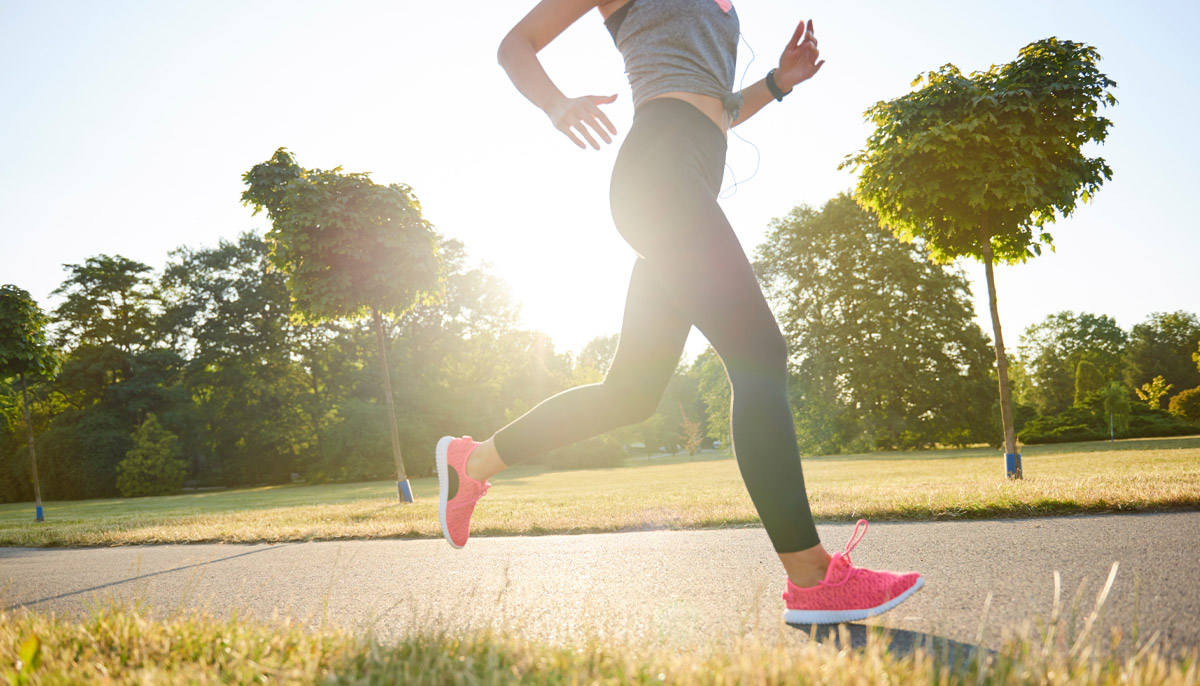
If you regularly exercise, one of the first questions you may ask after an intrauterine insemination (IUI) procedure is whether it’s safe to continue your normal routine. The short answer is that, for many people, light to moderate activity is generally considered safe. The best answer, however, comes from your fertility specialist, who understands your treatment plan and medical history.
After investing time, emotion, and hope into an IUI cycle, it’s completely normal to wonder whether something as simple as a workout could affect your chances of pregnancy. Many patients share the same concern, and the waiting period after treatment can make even routine activities feel uncertain.
What Happens After an IUI Procedure?
IUI is a fertility treatment in which prepared sperm is placed directly into the uterus around the time of ovulation using a thin catheter. By shortening the distance sperm must travel to reach the egg, IUI can improve the likelihood of fertilization for some patients.
Many individuals and couples pursue IUI before moving to more advanced fertility treatments. Success rates vary depending on several factors, including age, fertility diagnosis, ovarian reserve, and whether fertility medications are used. According to information from CNY Fertility, pregnancy rates differ significantly from patient to patient, which is why individualized treatment plans are so important.
For people using donor sperm, choosing a trusted sperm bank is another important part of the process. Seattle Sperm Bank provides access to thoroughly screened sperm donors and offers educational resources to help intended parents prepare for treatment.
Can Exercise Affect Implantation?
One of the biggest concerns after IUI is whether exercise could interfere with implantation.
After fertilization occurs, the developing embryo travels through the fallopian tube before implanting into the lining of the uterus. Because this process happens inside the body, many patients worry that physical activity could somehow disrupt implantation.
Fortunately, normal daily movement does not cause an embryo to become dislodged. The uterus is designed to protect a developing pregnancy, and activities such as walking, climbing stairs, or performing everyday tasks do not interfere with implantation.
Even so, the emotional investment in fertility treatment can make many patients understandably cautious. As one parent shared in an essay for Today’s Parent, the days following an IUI cycle are often filled with hope, uncertainty, and second-guessing every decision.
What Do Fertility Specialists Recommend?
Recommendations about exercise after IUI can vary depending on your medical history and your physician’s preferences.
Many fertility specialists encourage patients to avoid strenuous workouts for a day or two following the procedure, particularly if ovarian stimulation medications were used. High-impact exercise, heavy lifting, or intense endurance training may be temporarily discouraged while your body recovers.
According to guidance from Thomson Medical, gentle movement such as walking, stretching, or light yoga is generally considered appropriate for many patients after IUI, provided there are no medical complications or specific restrictions from your physician.
If you maintained a regular fitness routine before treatment, your doctor may recommend modifying rather than completely stopping your activity. Starting an entirely new, vigorous exercise program immediately after IUI is usually not advised.
The Benefits of Gentle Movement
Exercise offers many physical and emotional benefits during fertility treatment. Gentle activity may help reduce stress, improve circulation, support sleep, and promote overall well-being during what can be an emotionally demanding time.
Research published by the National Library of Medicine suggests that moderate physical activity may provide health benefits for individuals trying to conceive. However, recommendations should always be individualized based on each patient’s diagnosis and treatment plan.
Examples of lower-impact activities that many physicians commonly approve include:
- Walking
- Gentle yoga
- Light stretching
- Swimming
- Easy stationary cycling
Always confirm with your fertility specialist before returning to exercise, especially if you experienced discomfort during treatment or have been diagnosed with ovarian hyperstimulation syndrome (OHSS) or other complications.
When Should You Stop Exercising?
While mild cramping or light spotting can occur after an IUI procedure, certain symptoms should prompt you to stop exercising and contact your healthcare provider.
These include:
- Heavy bleeding
- Severe abdominal pain
- Significant dizziness or fainting
- Shortness of breath
- Severe bloating or rapidly increasing abdominal swelling
Your fertility team can determine whether these symptoms are related to your treatment and advise you on the next steps.
Trust Your Care Team
Every fertility journey is different, which means there is no single answer that applies to everyone. Your age, diagnosis, medications, ovarian response, and overall health all influence the recommendations your physician will provide after IUI.
Seattle Sperm Bank supports intended parents throughout every stage of the donor conception process by offering carefully screened donors, educational resources, and personalized service. Learn more about why intended parents choose Seattle Sperm Bank as they begin their family-building journey.
The days after an IUI cycle can feel long, and it’s natural to want to do everything possible to support a successful outcome. Following your physician’s guidance, staying active within recommended limits, and giving yourself grace during the waiting period can help you focus on your overall well-being while your body does the rest.