



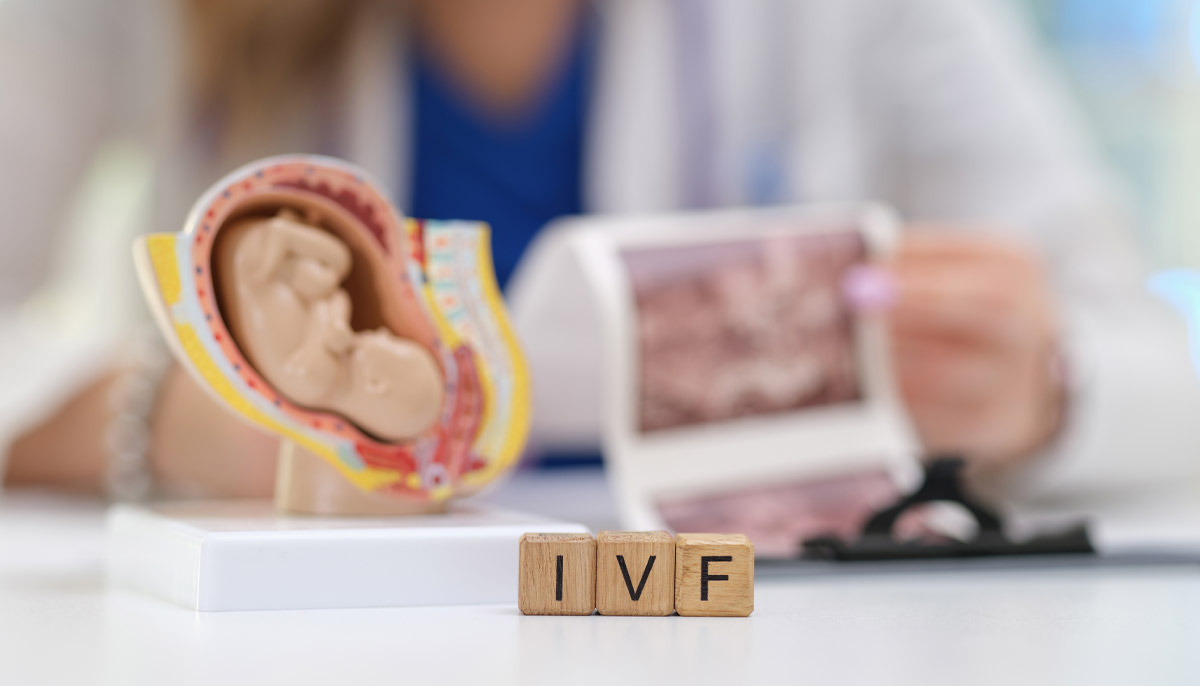
For many intended parents, the days between egg retrieval and embryo transfer can feel like the longest part of the IVF process. While much of the treatment up to this point has involved appointments, medications, and procedures, the next stage takes place behind the scenes in an embryology laboratory.
Understanding what happens during embryo development can help make this waiting period feel a little less uncertain. Although every embryo develops at its own pace, embryologists follow a general timeline as they monitor growth and determine which embryos are most likely to continue developing.
Before Embryo Development Begins
Embryo development starts after eggs have been collected during an egg retrieval procedure. This outpatient procedure is performed under sedation, allowing fertility specialists to retrieve mature eggs from the ovaries using ultrasound guidance. The eggs are then taken directly to the embryology laboratory, where they are prepared for fertilization. Emory University offers a helpful overview of the egg retrieval process.
Once the eggs are ready, they are combined with sperm from a partner or donor. For intended parents using donor sperm, Seattle Sperm Bank provides access to carefully screened sperm donors who have completed extensive medical, genetic, and family history evaluations.
Day 1: Fertilization
Approximately 16 to 18 hours after fertilization, embryologists examine each egg to determine whether fertilization has occurred successfully.
A normally fertilized egg contains two pronuclei, one contributed by the egg and one by the sperm. Their presence indicates that fertilization occurred as expected and that the embryo can continue developing. Eggs showing an abnormal number of pronuclei generally do not continue through the IVF process because they are unlikely to develop normally.
Successfully fertilized embryos are then placed into specialized culture media that closely mimic the environment of the fallopian tubes.
Day 2: Early Cell Division
By the second day, healthy embryos typically divide into two to four cells. At this stage, embryologists evaluate how the cells are dividing and whether development appears consistent with expected growth.
Cell number is only one part of the assessment. Embryologists also examine the appearance of the cells and other developmental characteristics that help determine whether an embryo is progressing appropriately.
Day 3: Continued Development
Around the third day, many embryos contain six to eight cells. Some fertility clinics may perform embryo transfer on Day 3, although many now continue culturing embryos for several additional days when appropriate.
Depending on the treatment plan, some embryos may also undergo biopsy for preimplantation genetic testing after they reach the appropriate developmental stage. Whether genetic testing is recommended depends on several factors, including maternal age, medical history, and previous IVF outcomes.
Day 4: Morula Formation
During the fourth day, the embryo undergoes an important transformation known as compaction. Individual cells begin to merge, forming a tightly packed structure called the morula.
Although this stage receives less attention than the blastocyst stage, it represents an important milestone in embryo development. Embryos that continue progressing through compaction have the opportunity to develop into blastocysts over the following 24 hours.
Day 5: The Blastocyst Stage
By Day 5, many healthy embryos reach the blastocyst stage. At this point, the embryo contains hundreds of cells that have organized into specialized structures.
According to the Mayo Clinic’s illustration of a blastocyst, the embryo contains an inner cell mass, which develops into the fetus, and an outer layer of cells called the trophectoderm, which later contributes to the placenta.
The blastocyst also contains a fluid-filled cavity that allows it to continue expanding before implantation.
Many fertility clinics perform embryo transfer on Day 5 because embryos that successfully reach the blastocyst stage often provide valuable information about developmental potential. Additional high-quality blastocysts may be cryopreserved for future use.
How Embryologists Evaluate Embryos
Embryologists assess embryos throughout development using several characteristics, including cell division, symmetry, fragmentation, and progression through each developmental stage.
Research published by the National Library of Medicine continues to improve how embryo quality is evaluated, incorporating advances in laboratory technology, embryo culture, and imaging techniques. These developments help fertility specialists make informed decisions about embryo selection while recognizing that no grading system can guarantee pregnancy.
Every Embryo Develops Differently
It is important to remember that embryos do not all develop at the same pace. Some reach the blastocyst stage on Day 5, while others continue developing and may become suitable for transfer or freezing on Day 6 or even Day 7.
Your embryology team carefully monitors each embryo throughout this process and recommends the timing that best supports your treatment plan.
Choosing High-Quality Donor Sperm
Embryo development depends on many factors, including egg quality, sperm quality, laboratory conditions, and overall reproductive health.
For intended parents using donor sperm, selecting a sperm bank with comprehensive screening standards is an important part of treatment. Seattle Sperm Bank explains why intended parents choose it through its commitment to rigorous donor screening, extensive genetic testing, and high-quality laboratory standards.
Looking Ahead
The days between fertilization and embryo transfer can feel filled with anticipation, but every stage plays an important role in the IVF process. While embryologists closely monitor each embryo’s progress, your fertility team uses this information to determine the most appropriate next steps for your treatment.
Learning what happens inside the embryology laboratory can help you better understand the science behind IVF and provide reassurance during one of the most important stages of building your family.