



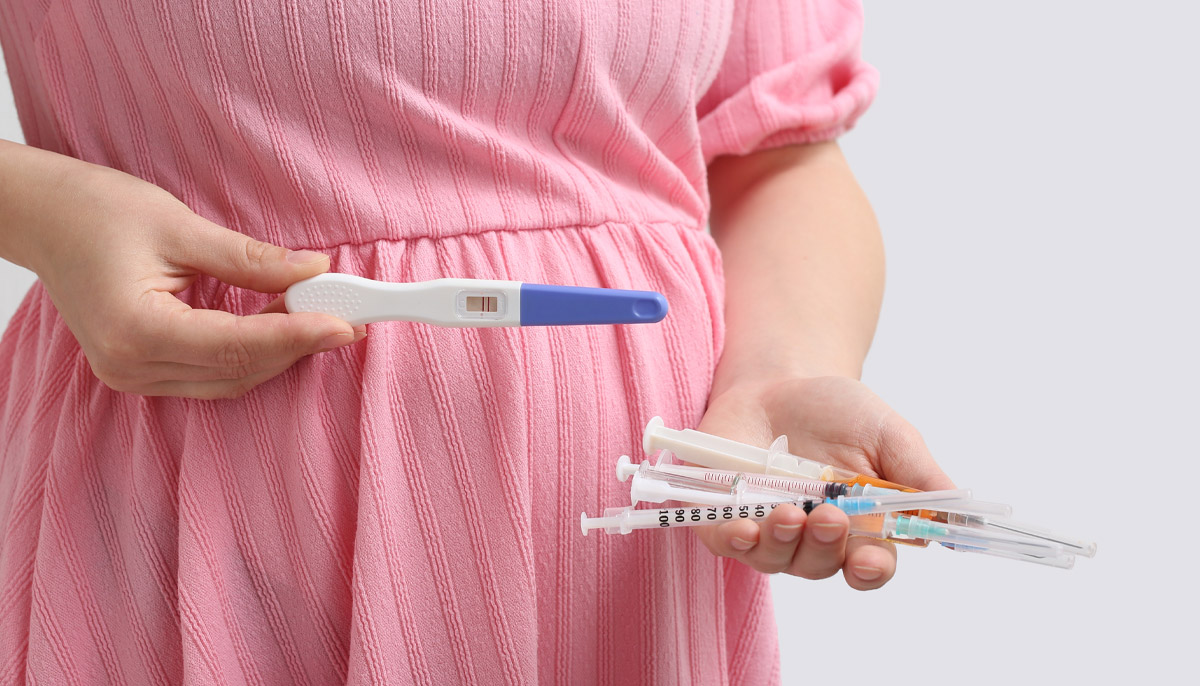
Beginning an in vitro fertilization (IVF) cycle can feel both exciting and overwhelming, especially if it is your first experience with fertility treatment. One of the most important stages of the process is ovarian stimulation, often called IVF stimulation. During this phase, fertility medications encourage the ovaries to mature multiple eggs in a single cycle, giving embryologists more opportunities to create healthy embryos.
Although every treatment plan is different, understanding how IVF stimulation works can help you feel more prepared as you move through your fertility journey.
What Is IVF Stimulation?
In a natural menstrual cycle, the ovaries typically release one mature egg each month during ovulation. IVF stimulation uses carefully prescribed hormone medications to encourage several follicles, each containing a potential egg, to mature at the same time.
Producing multiple mature eggs increases the number of eggs that can be retrieved, fertilized, and developed into embryos. Having more embryos may provide additional opportunities for embryo transfer or future family-building plans, depending on how many healthy embryos develop.
Your fertility specialist will create a medication protocol based on factors such as your age, hormone levels, ovarian reserve, previous fertility treatments, and overall reproductive health.
Who May Benefit From IVF?
IVF is recommended for many different fertility diagnoses and family-building situations. According to an overview from Pozitivf Fertility, fertility clinics care for individuals and couples with a wide variety of reproductive needs, developing personalized treatment plans based on each patient’s circumstances.
Your physician may recommend IVF if you have:
- Polycystic ovary syndrome (PCOS)
- Endometriosis
- Blocked or damaged fallopian tubes
- Diminished ovarian reserve
- Male factor infertility
- Recurrent pregnancy loss
- Certain inherited genetic conditions
- A need for donor sperm, donor eggs, or gestational surrogacy
The World Health Organization notes that polycystic ovary syndrome (PCOS) is one of the most common hormonal disorders affecting women of reproductive age and is a frequent cause of ovulation-related infertility. For many individuals with PCOS, IVF may become part of their fertility treatment after other approaches have been explored.
The Stages of an IVF Cycle
While every treatment protocol is individualized, most IVF cycles include several common steps.
Initial Fertility Consultation
Your journey begins with a consultation with a reproductive endocrinologist. During this appointment, your physician reviews your medical history, previous fertility treatments, medications, and family history. Blood work, ultrasound imaging, and additional fertility testing may also be performed.
Preparing for Treatment
Before stimulation begins, your care team develops a treatment protocol designed specifically for you. Depending on your diagnosis, this stage may include hormone testing, additional imaging, infectious disease screening, and medications to prepare your ovaries for stimulation.
IVF Stimulation and Monitoring
Once stimulation begins, you will take fertility medications for approximately 8 to 14 days. These medications encourage multiple follicles to mature rather than the single follicle that typically develops during a natural cycle.
Throughout this stage, your fertility clinic closely monitors your progress using blood tests and ultrasound examinations. These appointments allow your physician to adjust medication doses if needed and determine when the eggs have reached optimal maturity.
Trigger Shot and Egg Retrieval
When the follicles are ready, you will receive a trigger injection that completes the final stage of egg maturation.
Approximately 36 hours later, your physician performs an outpatient egg retrieval procedure using ultrasound guidance. The retrieved eggs are immediately transferred to the embryology laboratory, where mature eggs are fertilized using sperm from a partner or donor.
The Role of Donor Sperm
For many intended parents, donor sperm is an important part of the IVF process. This includes single parents by choice, LGBTQ+ families, couples experiencing male factor infertility, and individuals with inherited genetic conditions.
Seattle Sperm Bank provides comprehensive sperm donor services supported by extensive medical evaluations, genetic screening, and laboratory testing. The bank’s rigorous donor testing and screening process helps intended parents feel confident as they select a donor who aligns with their family-building goals.
Can Genetic Testing Improve IVF Outcomes?
Depending on your medical history, your fertility specialist may recommend preimplantation genetic testing (PGT).
Preimplantation genetic testing for aneuploidy (PGT-A) evaluates embryos for the correct number of chromosomes before transfer. In contrast, preimplantation genetic testing for monogenic disorders (PGT-M) is used when one or both intended parents carry a known inherited genetic condition.
These tests are not appropriate for every patient. Research published by the National Library of Medicine emphasizes that decisions regarding embryo genetic testing should be individualized and based on each patient’s reproductive history, age, and treatment goals. Your fertility specialist can explain the potential benefits, limitations, and whether genetic testing is recommended in your specific situation.
Supporting a Successful IVF Cycle
Although no treatment can guarantee pregnancy, there are several ways to support your health throughout an IVF cycle.
Follow your medication schedule carefully, attend all monitoring appointments, maintain open communication with your fertility team, and discuss any questions or concerns as they arise. Eating a balanced diet, staying physically active within your physician’s recommendations, getting adequate sleep, and managing stress may also support your overall well-being during treatment.
Perhaps most importantly, remember that every IVF journey is unique. The number of eggs retrieved, embryos created, and treatment outcomes vary from one patient to another.
Moving Forward With Confidence
IVF stimulation is one of the most important phases of an IVF cycle because it lays the foundation for embryo development and future embryo transfer. While the process can feel complex, understanding each stage can help reduce uncertainty and allow you to focus on the next step rather than the unknown.
Working closely with your fertility specialist, asking questions throughout treatment, and partnering with trusted reproductive resources can help you make informed decisions as you pursue the family you have envisioned.